A Rare Opportunity to Shape Operations for Generations
Police chiefs routinely manage personnel, budgets, technology, and community expectations. Few, however, will have the opportunity to lead the planning, renovation, or construction of a police facility. When that opportunity arises, the decisions made during the process can influence an agency’s operations, culture, and effectiveness for decades to come.
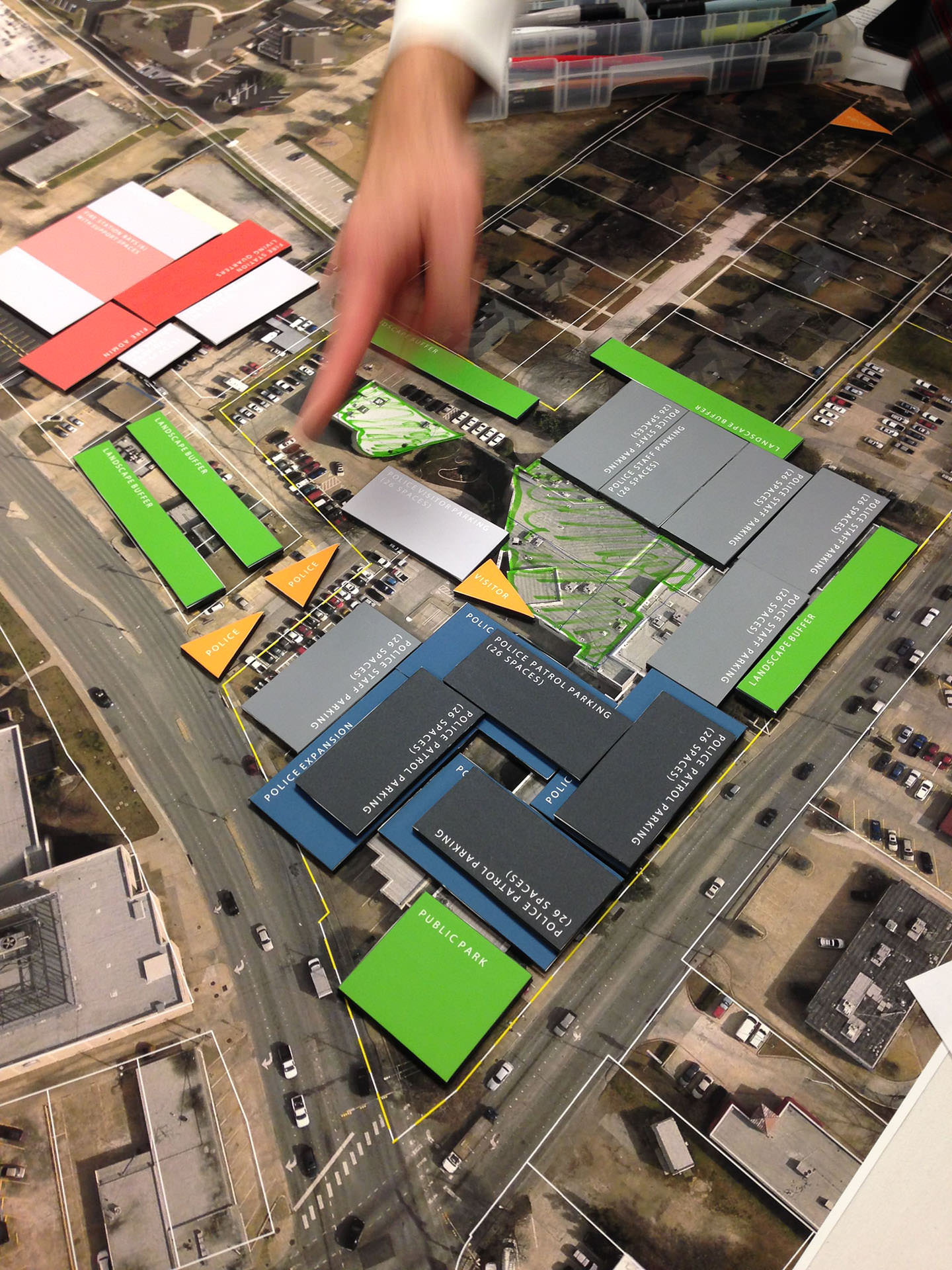
Unlike vehicles, equipment, or technology systems that may be replaced every few years, police facilities often serve an organization for generations. As a result, facility planning requires leaders to think beyond immediate operational needs and focus on long-term organizational success.
Choose partners with public safety experience.
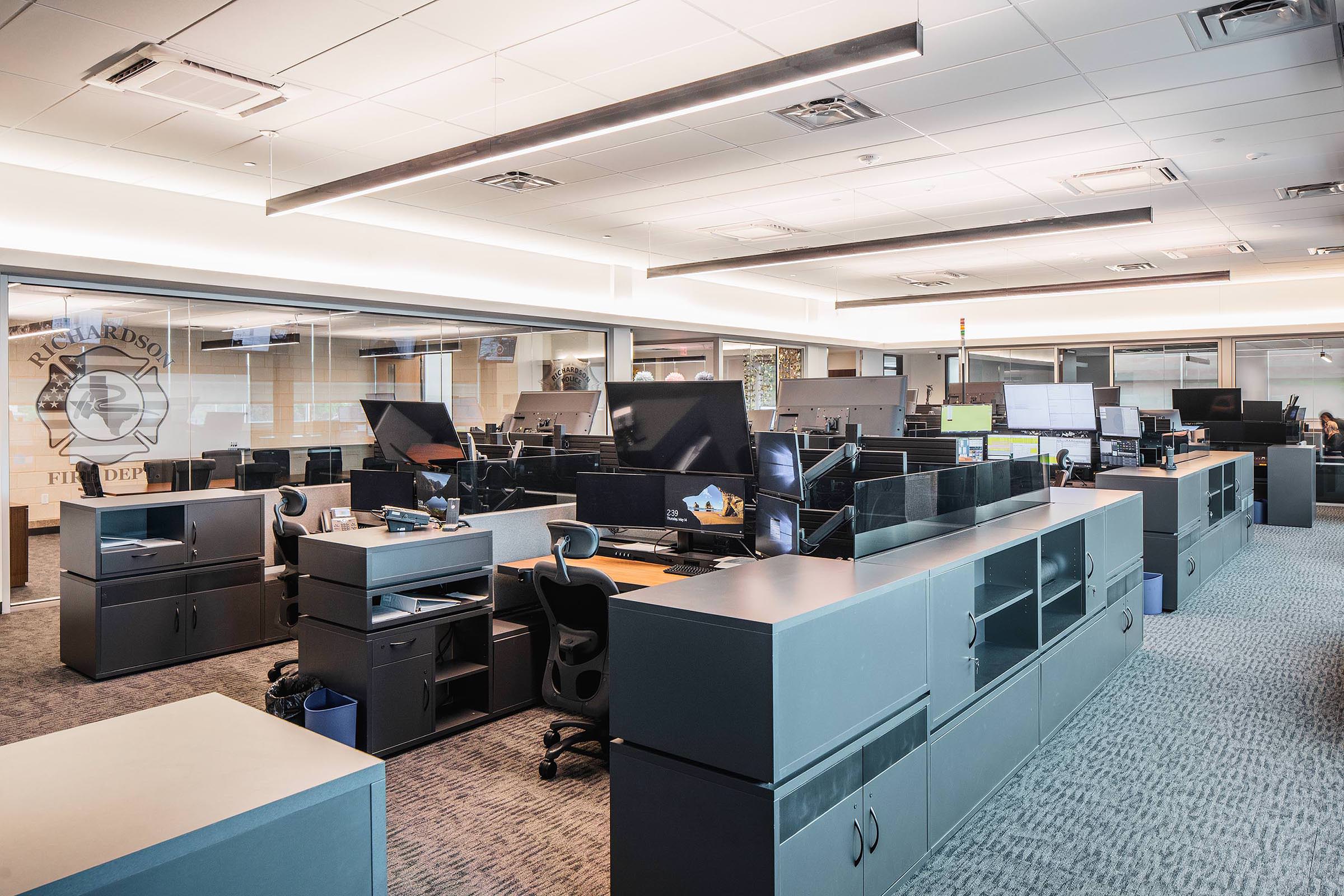
Police facilities are unlike most municipal buildings. Security requirements, evidence operations, emergency response functions, technology infrastructure, detention considerations, training needs, and future operational growth create unique planning and design challenges. Agencies should seek design professionals who understand public safety operations and are committed to serving as collaborative partners throughout the process. The most successful projects occur when the owner, architect, and project team work together toward a shared vision rather than viewing the relationship as a traditional client-vendor arrangement.
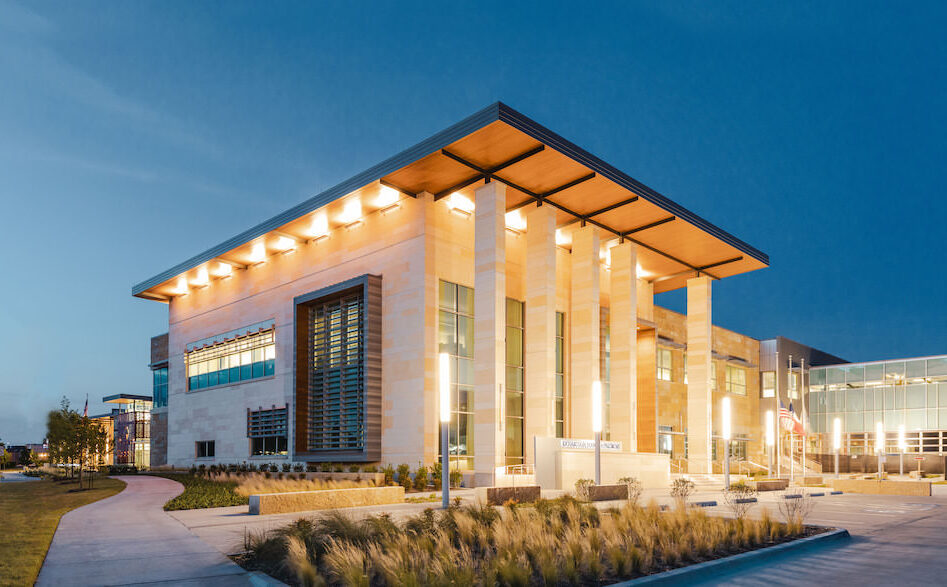
Facilities are long-term investments.
Plan for the future, not just the present.
Facilities are long-term investments. Staffing levels, technology requirements, evidence storage needs, training demands, and community expectations will likely change during the life of the building. Successful projects account for growth and adaptability for decades to come.
Engage employees throughout the process.
Patrol officers, detectives, dispatchers, detention personnel, analysts, records staff, and other professional support personnel experience facilities differently. Their input often identifies operational challenges and opportunities that may not be apparent during traditional planning discussions.
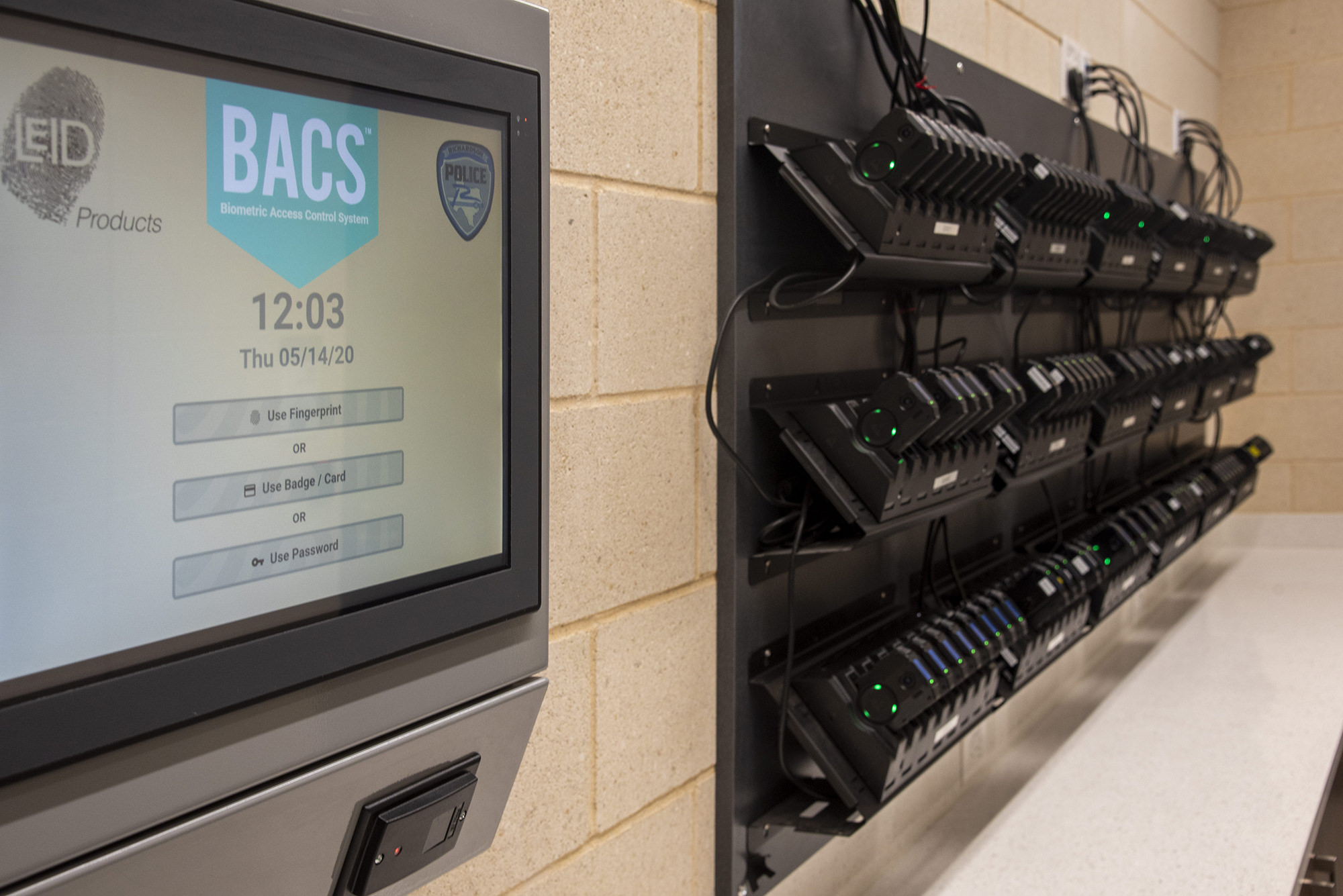
Technology should be integrated, not added later.
Modern policing increasingly relies on digital evidence, real-time information sharing, drones, security systems, and advanced communications technologies. Facility infrastructure must be prepared to support future technological advancements.
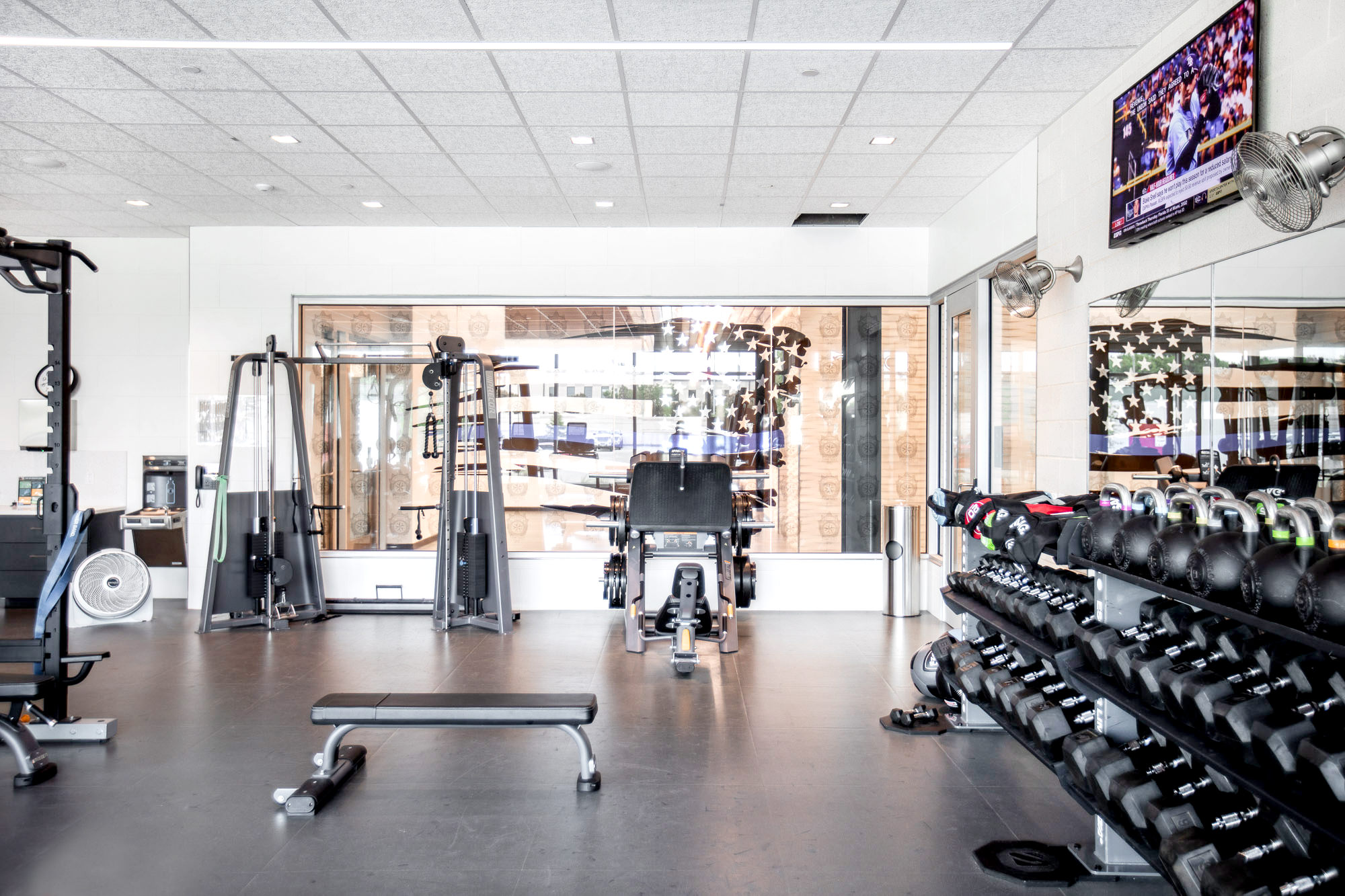
Wellness matters.
Fitness spaces, locker rooms, natural light, quiet/wellness rooms, training environments, and access to outdoor spaces are no longer considered amenities. They are required components of a workplace that supports employee health, morale, recruitment and retention.
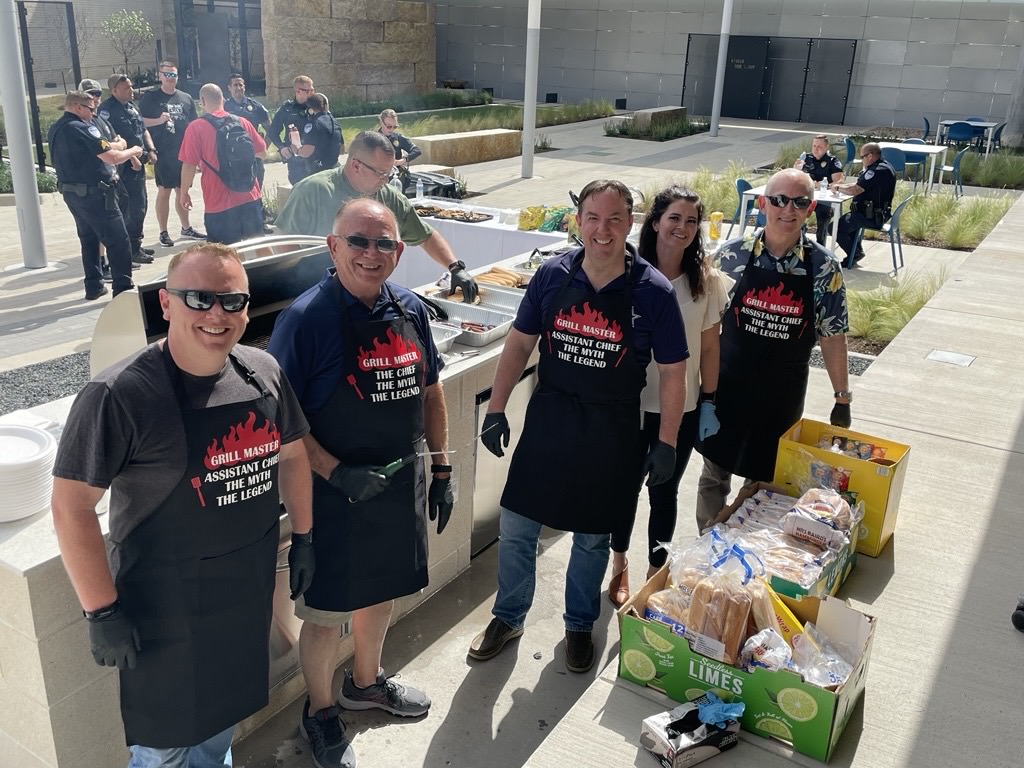
Facilities communicate organizational values.
The design and condition of a facility send messages to employees and the community. Buildings can reinforce professionalism, collaboration, transparency, and organizational pride or create barriers to those same objectives.
A public safety facility project is ultimately about much more than construction. It is an opportunity to create an environment that supports employees, enhances service delivery, and positions an organization for future success. For agencies fortunate enough to receive that opportunity, thoughtful planning can deliver benefits for decades to come. The decisions made today may shape an agency’s culture, operations, and service to the community for generations.
The decisions made today may shape an agency’s culture, operations, and service to the community for generations.