



Cleveland Fire Station No. 2
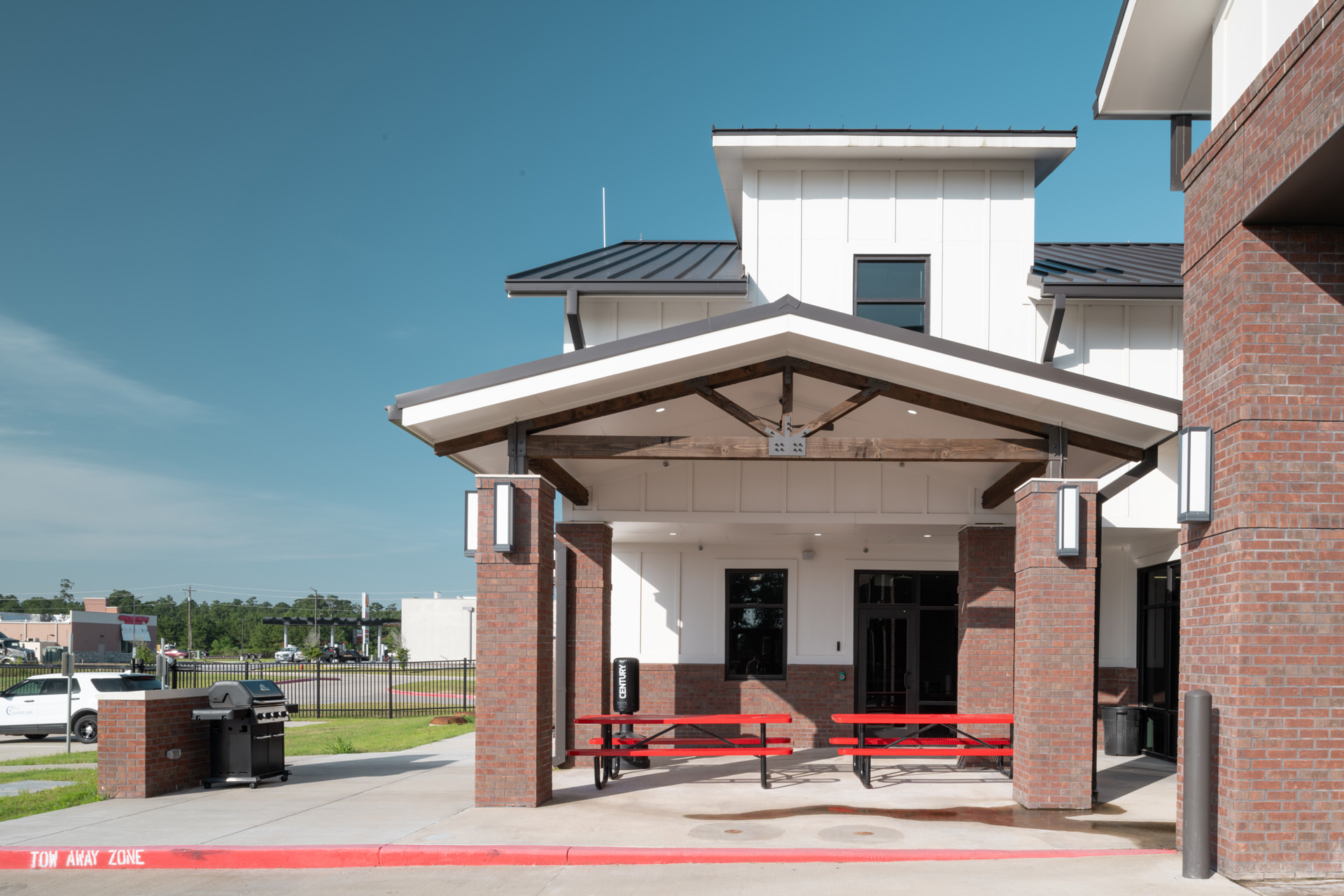
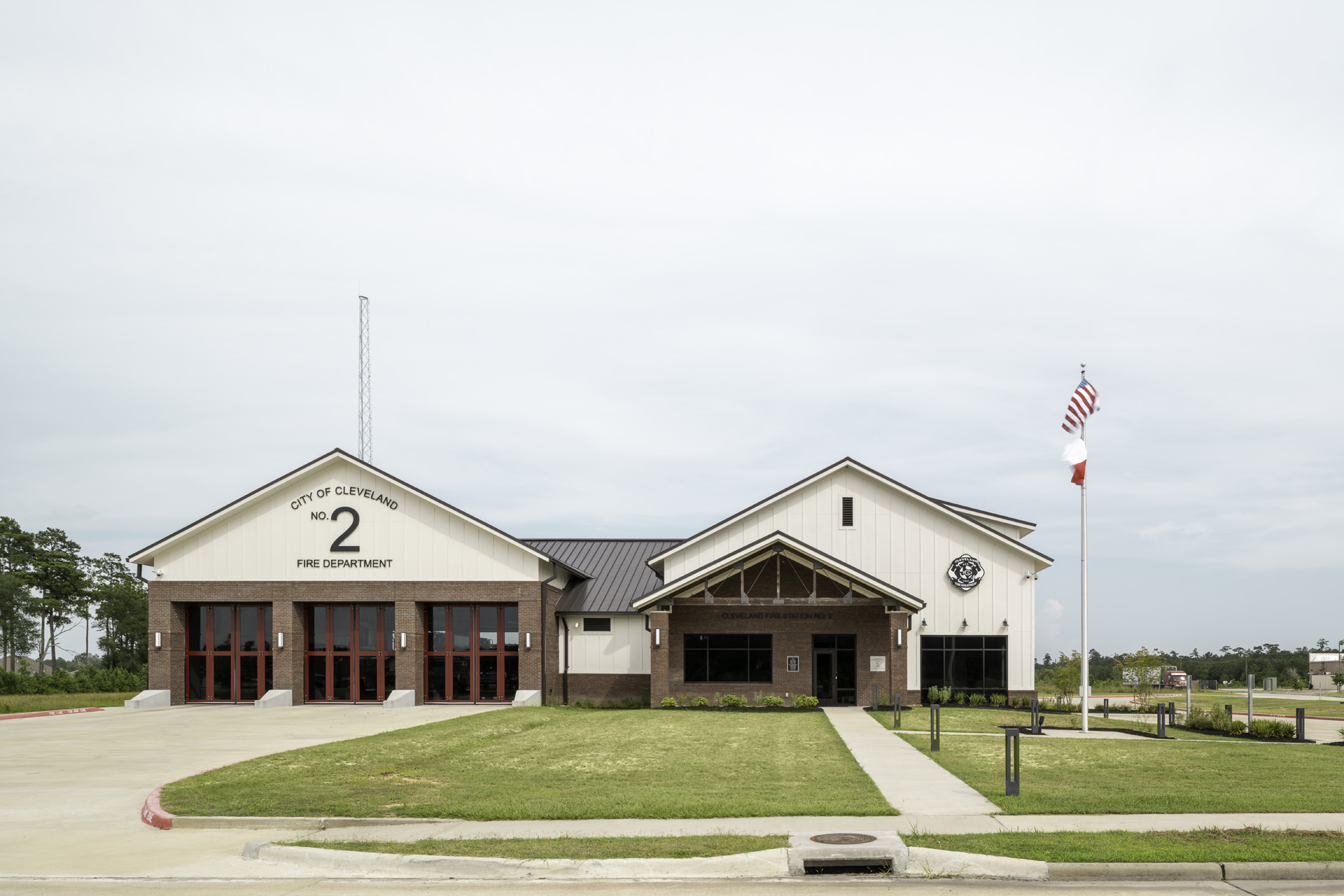
When Cleveland identified a growing area of the city in need of expanded emergency-response coverage, the project became about more than adding capacity. After a seven-year collaboration between the city, Fire Chief Sean Anderson, and BRW Architects, Cleveland Fire Station No. 2 opened in 2023 as a 13,000-square-foot facility that effectively doubled the department’s first-responder capacity, growing from a limited operation to a combination department of 34 career, EMS, and volunteer members. Situated at the entrance of the Grand Oaks Reserve subdivision, the station was designed to feel like it belongs there, with white board-and-batten siding, dark red brick, and dormer windows that echo the surrounding neighborhood. Heavy wooden trusses and steel overlays draw on Cleveland’s timber and railroad heritage, giving the building a civic character that feels rooted in the community it serves.
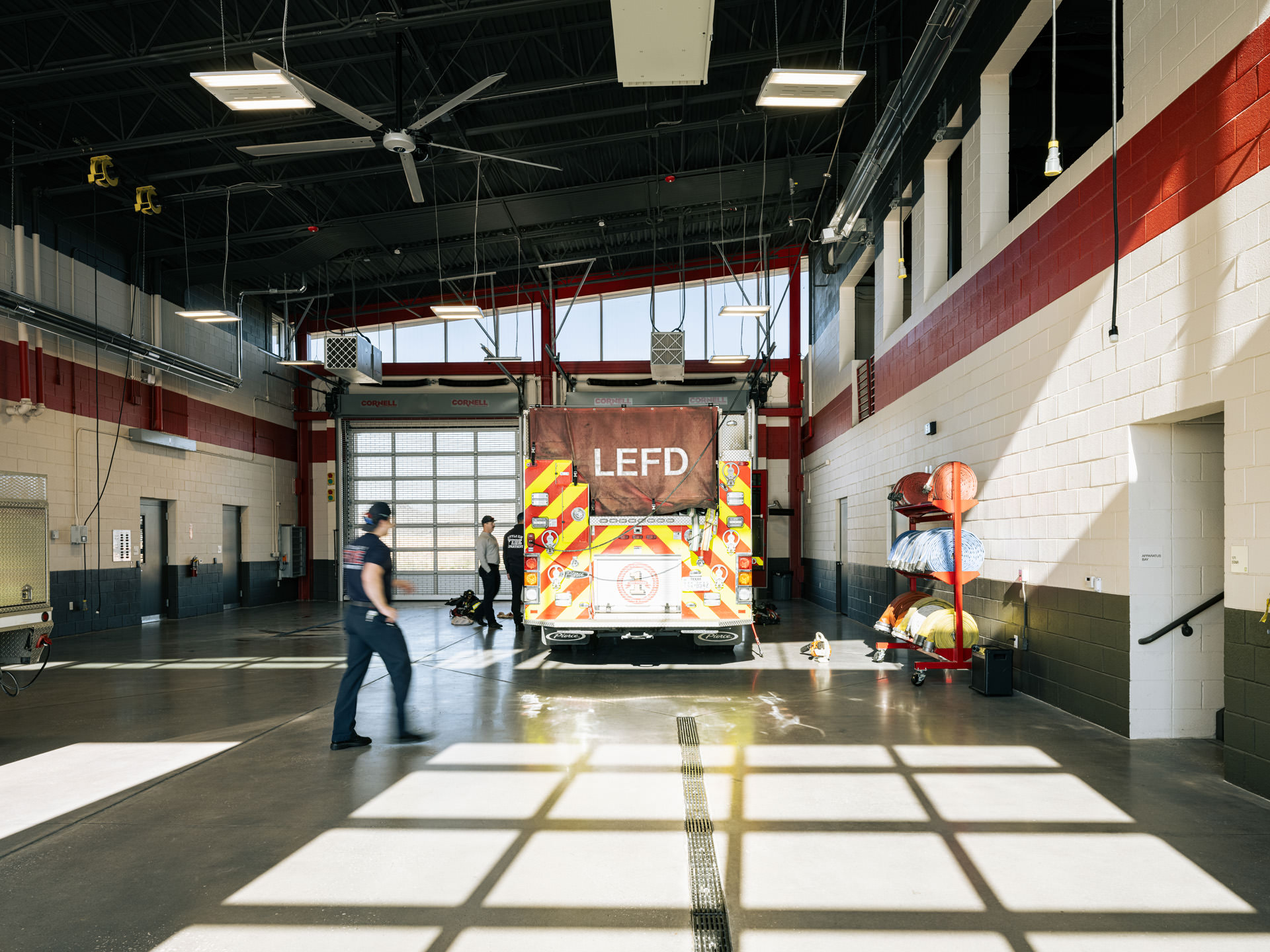
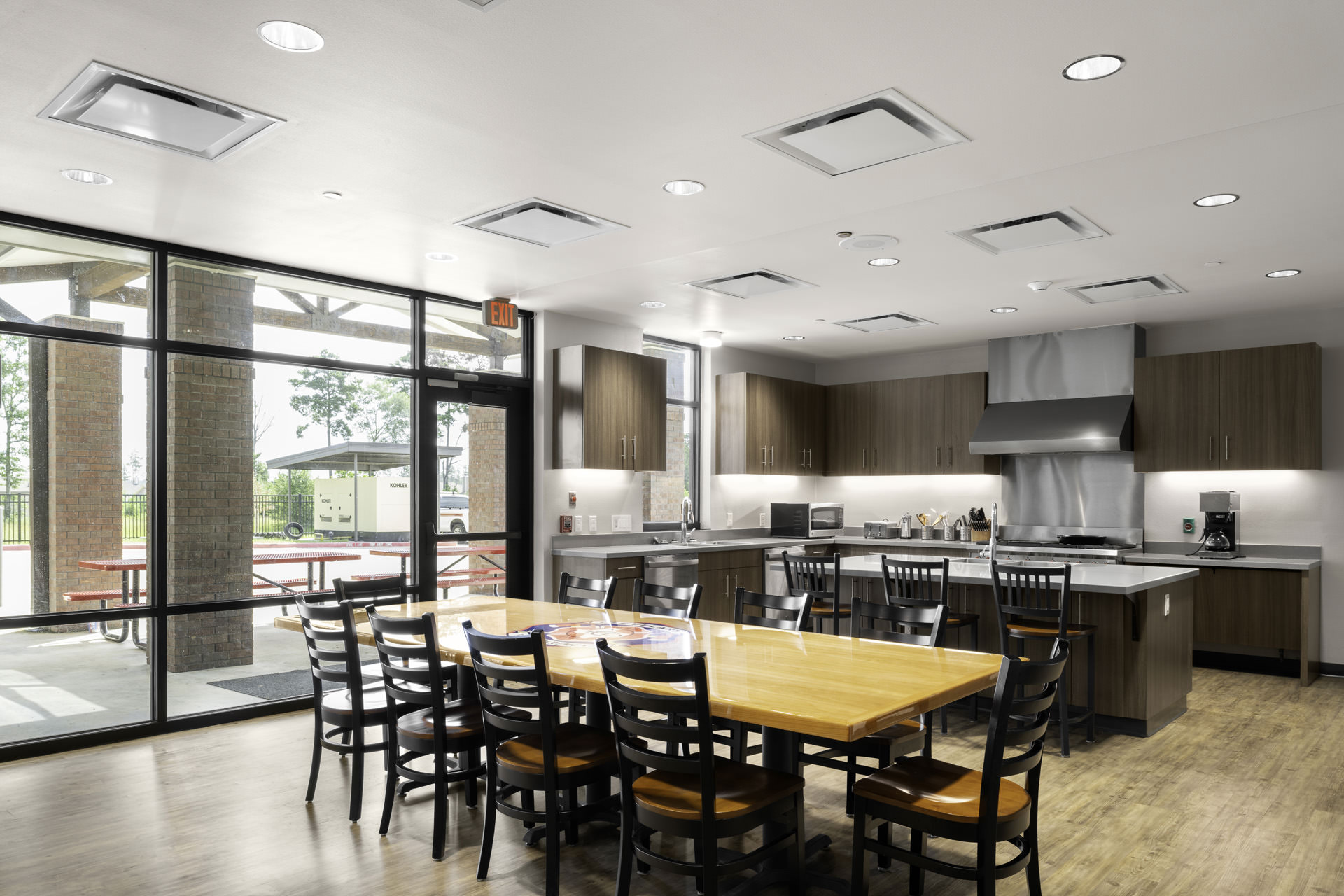
BRW’s design made smart use of a two-acre site by going vertical, a two-story layout that keeps the building’s footprint compact and preserves the site area needed for apparatus movement. Three deep pull-through bays with generous approach and apron dimensions accommodate even tandem-axle vehicles, while public parking is kept well clear of operational areas. Inside, the station is organized into distinct hot, warm, and cold zones, with airlocks, a decontamination room, and dedicated showers acting as transitions that keep contaminants out of living and administrative spaces. An automated ventilation system replaces bay air with fresh outside air within ten minutes of an apparatus departure or return, and sleeping rooms use red call lights and adjustable speakers to reduce physiological stress during nighttime dispatches.
The station also opens itself to the broader community in meaningful ways. The training room doubles as an Emergency Operations Center and a public meeting space, accessible without entering the secure areas of the building. A lobby treatment alcove allows walk-in patients to receive initial stabilization on-site. At roughly $4.75 million, the project demonstrated that a modern, technically sophisticated fire station can expand a city’s capabilities without sacrificing neighborhood character or the wellbeing of the people who work there every day.